
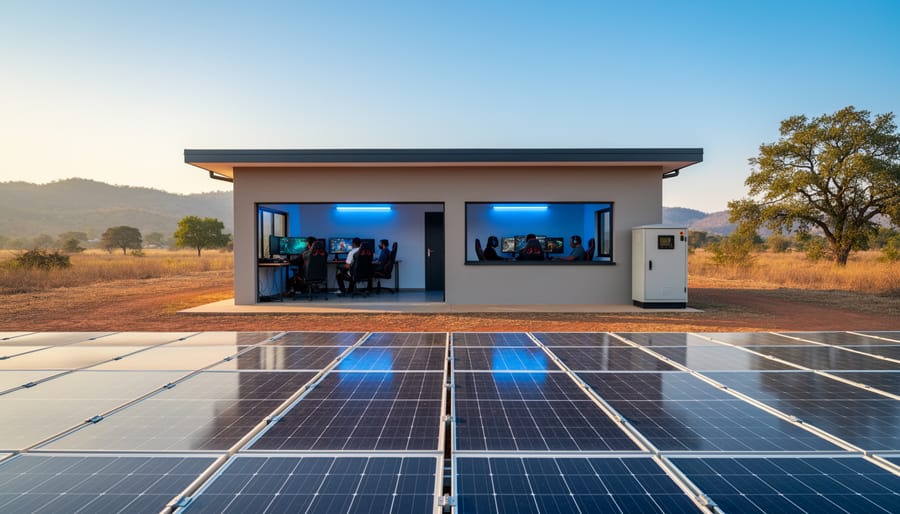
Every time someone launches a geral bet app or spins the reels of an online slot machine, energy consumption silently accumulates in data centers across the globe. The digital entertainment industry, particularly online gaming, consumes vast amounts of electricity—yet a revolutionary shift is underway that transforms this energy-intensive sector into an opportunity for renewable energy innovation and community empowerment.
Solar-powered online casino gaming represents more than just plugging panels into servers. It embodies a fundamental reimagining of how entertainment, technology, and environmental responsibility intersect. In rural communities from Kenya to Brazil, solar microgrids are now powering internet cafes where residents access online gaming platforms, creating entertainment options while building sustainable energy infrastructure that serves broader community needs.
The numbers tell a compelling story: a single data center supporting online gaming platforms can consume as much electricity as a small town, yet when powered by solar arrays, that same facility becomes a demonstration of renewable energy’s scalability and reliability. Forward-thinking operators are discovering that solar installations not only reduce operational costs by up to 40 percent but also resonate with environmentally conscious players who increasingly demand sustainability from the platforms they support.
This convergence of entertainment and clean energy is sparking innovations that extend far beyond gaming, offering blueprints for powering digital infrastructure sustainably while creating local jobs in solar installation and maintenance.
The Energy Cost of Digital Entertainment
Why Online Casinos Are Part of the Conversation
The digital entertainment industry never sleeps, and online casino platforms exemplify this constant activity. With millions of players worldwide logging in at any hour, these platforms operate around the clock, requiring substantial server infrastructure and cooling systems that consume electricity continuously. Unlike traditional brick-and-mortar casinos limited to specific locations, online gaming reaches every corner of the globe, creating an energy footprint that extends across data centers on multiple continents.
Consider this: every spin of a digital slot machine, every hand of virtual poker, and every live-streamed dealer game requires power to process, transmit, and display. When multiplied across thousands of simultaneous players, the cumulative energy demand becomes significant. A single large online casino platform can consume as much electricity annually as a small town.
This reality matters because digital entertainment is among the fastest-growing sectors globally, particularly in developing regions where internet access is expanding rapidly. Communities gaining their first reliable internet connections are also discovering these entertainment platforms, creating new energy demands in places where power infrastructure may already be strained.
The conversation about solar-powered online casino games emerges from this intersection of opportunity and responsibility. As renewable energy advocates working with communities worldwide, we recognize that sustainable digital entertainment isn’t just an environmental concern but a practical consideration for regions building their energy futures. When platforms embrace renewable power, they model possibilities for other digital services while reducing strain on developing grid systems.
Solar-Powered Gaming: From Concept to Reality
A Case Study: Community Solar Centers in Rural Areas
In the village of Kibwezi, Kenya, entrepreneur Jane Mwangi saw an opportunity where others saw only challenges. Her community, like many rural areas, struggled with unreliable electricity and limited access to digital services. Young people often traveled hours to nearby towns just to access internet cafes, draining family resources and time.
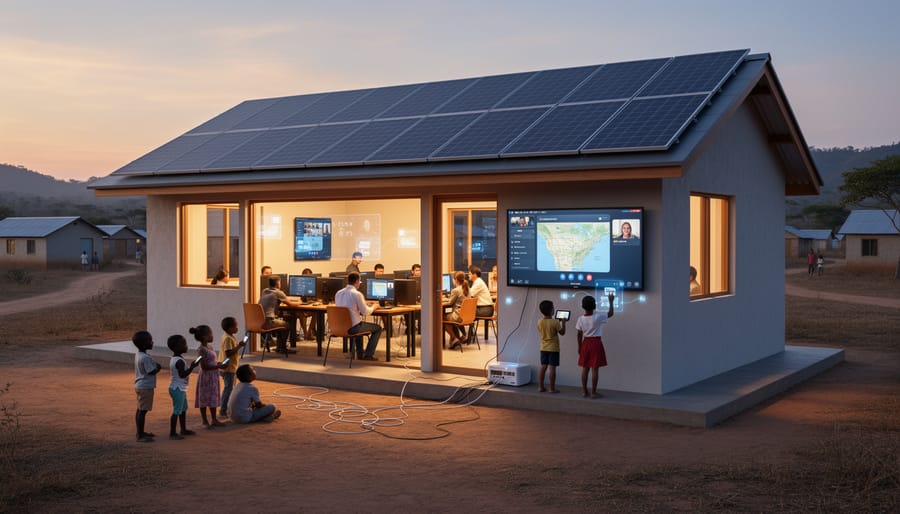
In 2022, Jane established the Kibwezi Solar Hub, a community center powered entirely by rooftop solar panels. Drawing inspiration from successful initiatives like the Energy for All program, she secured microfinance support and partnered with a local solar installer to create a space that offered far more than internet access. The hub provided educational resources, video conferencing facilities, and yes, entertainment options including online casino-style games.
The gaming component proved unexpectedly transformative. While initially met with skepticism, Jane positioned these platforms as digital literacy tools and income opportunities. Local youth learned about online payment systems, data security, and responsible digital behavior through controlled gaming sessions. Some discovered legitimate online gaming tournaments with prize money, creating new income streams for families.
Within eighteen months, the hub served over 400 regular users monthly. Three young people secured remote gaming industry jobs through skills developed at the center. Local businesses began using the facility for digital transactions, and the hub became a gathering place that strengthened community bonds.
The economic ripple effects extended beyond the center itself. A small snack shop opened nearby, and mobile money agents set up services to help users manage their digital transactions. The solar installation inspired five neighboring businesses to adopt renewable energy.
Jane’s story demonstrates that solar-powered digital access points create multidimensional value. Environmental sustainability combines with economic opportunity and social connection, proving that clean energy solutions can address multiple community needs simultaneously while empowering local leadership.
The Ripple Effect: Economic Opportunities Meet Environmental Responsibility
Empowering Local Entrepreneurs
In rural Kenya, Grace Wanjiru transformed a single solar panel into a thriving community business. After completing workforce development programs focused on renewable energy, she established a solar-powered digital entertainment hub in her village. What started as three gaming stations now serves over 200 customers weekly, providing access to online casino games, educational content, and communication services. Grace’s business doesn’t just generate income—it creates gathering spaces where young people develop digital literacy skills while enjoying entertainment previously unavailable in off-grid communities.
Across India, similar stories unfold. Rajesh Kumar used his background in mobile phone repair to pivot into solar-powered gaming cafes. His network of five locations now employs twelve people, offering reliable internet access and entertainment in areas where grid electricity remains inconsistent. The solar systems power not only gaming terminals but also charging stations for community members’ devices, creating multiple revenue streams from a single energy investment.
These entrepreneurs prove that decentralized energy enables decentralized economic opportunity. By eliminating dependence on unreliable grids or expensive diesel generators, solar power levels the playing field for rural innovators. Their success demonstrates how renewable energy infrastructure doesn’t just provide electricity—it unlocks entrepreneurial potential, creates jobs, and builds sustainable livelihoods in communities traditionally excluded from the digital economy.
What Gaming Platforms Can Learn from Solar Innovation
The digital gaming industry consumes vast amounts of energy, with data centers powering online casinos running around the clock. However, forward-thinking gaming platforms are discovering that solar innovation offers both environmental benefits and competitive advantages that resonate with today’s conscious consumers.
Leading casino platforms are already taking concrete steps toward sustainability. In Sweden, gaming company LeoVegas partnered with regional utilities to source 100% renewable energy for their operations, reducing their carbon footprint by 80% within two years. This partnership model demonstrates how gaming companies can work with existing energy providers to transition seamlessly to clean power without disrupting service.
Investing in dedicated solar infrastructure presents another powerful opportunity. When a Malta-based online casino operator installed solar panels across their data center facilities, they discovered unexpected benefits beyond environmental impact. Energy costs dropped by 40%, and customer engagement increased as players responded positively to the platform’s green credentials. The company now highlights its solar commitment in marketing campaigns, attracting environmentally-conscious gamers who want their entertainment choices to align with their values.
Gaming platforms can also promote green initiatives that empower their user communities. Some platforms now offer players the option to direct a portion of their winnings toward renewable energy projects in developing countries, creating a direct connection between entertainment and positive impact. Others have launched educational campaigns within their gaming interfaces, teaching players about solar energy while they play.
For platforms ready to take action, the path forward includes conducting energy audits, exploring power purchase agreements with renewable providers, and transparently communicating sustainability commitments to users. By choosing to mitigate climate risk through solar adoption, gaming companies position themselves as industry leaders while contributing meaningfully to global renewable energy goals. The message is clear: sustainable gaming is not just possible, it is profitable and increasingly expected.

Building a Sustainable Digital Future Together
The transformation toward solar-powered digital entertainment requires collaboration across multiple sectors, and the good news is that communities worldwide are already showing us how it’s done. In Kenya’s Rift Valley, a community center partnered with local gaming operators and solar providers to create a hybrid entertainment and education space. Young people access online games during daylight hours when solar generation peaks, while evenings are reserved for community learning programs. This simple coordination reduced grid dependency by 60 percent while creating a social hub that strengthens community bonds.
Policymakers play a crucial role by creating incentives that make solar adoption easier for entertainment venues. Rwanda’s tax exemptions on solar equipment for businesses, including gaming cafes, demonstrate how supportive policies can accelerate change. Similarly, utilities can introduce time-of-use rates that encourage gaming during peak solar production hours, turning what might seem like frivolous entertainment into demand that aligns perfectly with renewable generation patterns.
Gaming operators themselves are discovering that sustainability attracts customers. A casino platform in South Africa now displays real-time solar generation data to players, showing them exactly how their entertainment is powered by the sun. This transparency has become a unique selling point, particularly among younger audiences who prioritize environmental responsibility.
For communities interested in bringing this model home, start small. Approach local gaming venues about pilot solar installations, connect utilities with operators to discuss innovative rate structures, and share success stories with policymakers. The Philippines recently launched a microgrant program specifically for solar-powered entertainment businesses after community advocates presented data from similar projects across Southeast Asia. When diverse stakeholders unite around shared sustainability goals, digital entertainment becomes not just carbon-neutral, but a catalyst for broader renewable energy adoption.
Remember Maria from the beginning of our story? She’s not alone in discovering how renewable energy can transform everyday life. Across continents, communities are finding that solar power doesn’t force them to choose between sustainability and the conveniences they enjoy—it makes those conveniences possible for the first time. The internet café in Maria’s village now stays open after dark, powered entirely by the sun, giving young people access to educational resources, connection with distant family members, and yes, entertainment like online casino games that were once unimaginable luxuries.
This is the promise of renewable energy: not deprivation, but abundance made sustainable. When we power our entertainment through solar energy, we’re demonstrating that modern life and environmental responsibility aren’t opposing forces. We’re proving that the digital experiences bringing joy and connection to millions can coexist with our planet’s health. For communities without reliable grid access, this means participation in the global digital economy without waiting for infrastructure that may never arrive.
The intersection of solar power and online gaming represents something larger than energy efficiency statistics. It symbolizes innovation serving humanity, technology bridging divides, and sustainability creating opportunity rather than limitation. Whether you’re a policymaker considering renewable energy incentives, a business owner exploring sustainable operations, or simply someone who believes in a cleaner future, your participation matters.
Start today. Advocate for renewable energy policies in your community. Support businesses investing in sustainable practices. Consider solar solutions for your own energy needs. Share stories like Maria’s that inspire others to see what’s possible. Together, we’re not just powering games—we’re powering a more equitable, sustainable world where no one is left in the dark.